
MEIS: National Museum of Italian Judaism and the Shoah
A museum that tells the story of Judaism, not just in FerraraExplore our toursThe MEISis a unique museum in Italy, born with the mission to recount over two thousand years of history of Italian Jews, from their presence in ancient Rome up to the contemporary era, passing through the Renaissance and the Shoah.
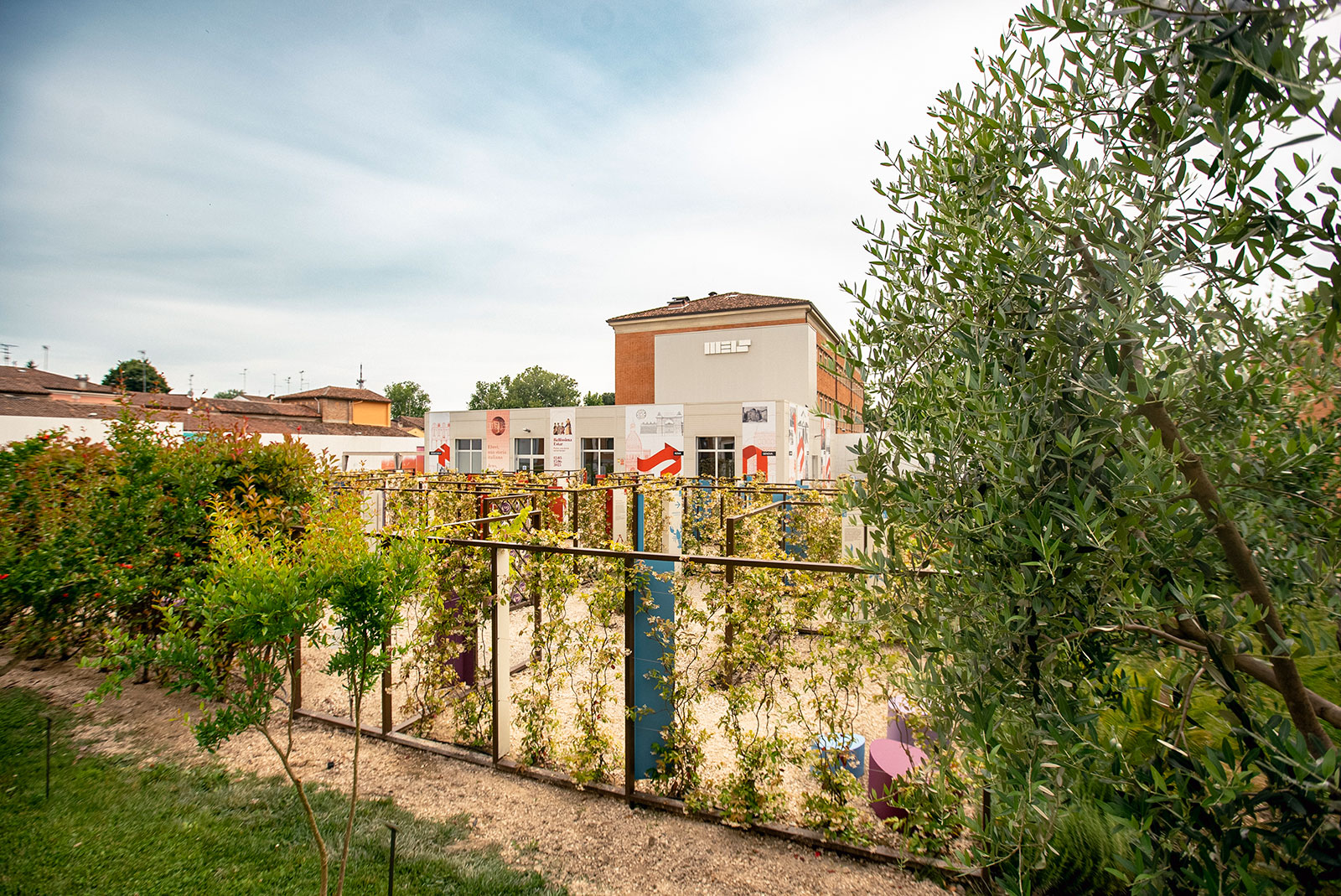
The architectural project integrates historical buildings with modern structures that symbolize the five books of theTorah. The restoration eliminated the prison elements (bars, gates) to transform the place into an open and inclusive space.
The museum is located atVia Piangipane 81, right in the historical city center.
The history of Judaism in Ferrara
The history ofJews in Ferrarais long, complex, and deeply intertwined with that of the city itself.
The Jewish presence in the city dates back at least to the12th century, but it became firmly established in the 13th century with the arrival of moneylenders from Rome and central Italy.
The period of greatest flourishing occurred in the15th centuryunder the protection of theHouse of Este, particularly the dukesErcole IandErcole II, who encouraged the settlement of Spanish and Portuguese Jews expelled in1492.
These refugees brought with themcultural wealth,medical knowledge,religious traditions, andmercantile activities, thus contributing to the city’s development.
The ghetto and segregation
With the passage ofFerrarato thePapal Statesin 1598, restrictions began. In 1627, the Jewishghettowas established, delineated between the current Via Mazzini, Via San Romano, Via Vittoria, and Via Vignatagliata. The ghetto remained active until 1859, with brief openings during the French occupation (dating back to 1796). Even after its closure, the district remained the heart of Ferrara’s Jewish life.Via Mazziniis home to the three historic synagogues, active since 1485, and the Jewish Museum, whileVia Vignatagliatapreserves medieval buildings and commemorative plaques, including one for the doctor and philosopher Isacco Lampronti.
After 1938, with the racial laws, Jews were expelled from schools and professions, and the ghetto once again became a place ofsegregation. The synagogues were devastated in 1941 by local fascists.
Many Ferrarese Jews were deported to concentration camps. The “stumbling blocks” (pietre d’inciampo) in Via Mazzini commemorate the victims.
The Jewish cemetery of Ferrara
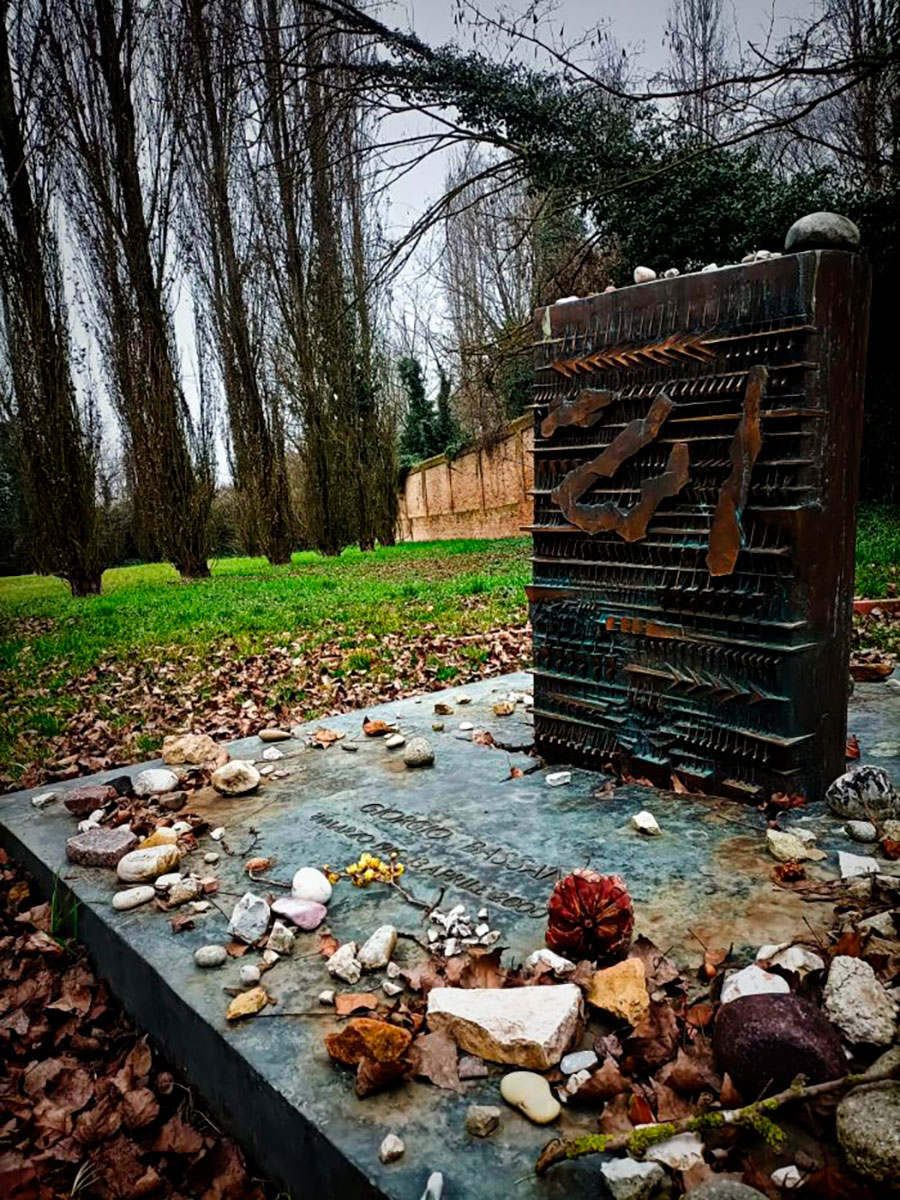
Next to the Certosa Monumentale of Ferrara (Monumental Charterhouse) is the Jewish Cemetery, which holds the tomb of Giorgio Bassani, author of The Garden of the Finzi-Continis.
The permanent exhibitions at MEIS (National Museum of Italian Judaism and the Shoah)
“Jews, an Italian Story”: a multimedia and immersive journey through archaeology, art, documents, and testimonies that recount the first thousand years of Jewish history in Italy.
“1938: Humanity Denied”: a multimedia exhibition on the Nazi-Fascist persecution and the Racial Laws, featuring moving installations and historical documents.
“Garden of Questions”: an educational labyrinth dedicated to Jewish dietary laws (Kashrut) and cuisine.
The museum hosts a specializedlibrarywith over 5,000 volumes on Judaism, the Shoah, culture, and history.
Admission costs:
- Full Price€ 10.00
- Reduced€ 8.00(for children aged 6 to 18, university students, and partner organizations)
- Families€ 6.00(minimum 1 adult + 1 minor aged 6 to 18)
- Groups€ 6.00(15 to 25 people, with 1 free accompanying person for every 15 paying visitors)
- Schools€ 2.00(with 2 free accompanying persons per class)
Entitled to free admission:
- Children under 6 years old
- Disabled visitors with an accompanying person
- Journalists and tour guides with a valid ID card
- ICOM members, MIC personnel (Ministry of Culture)
- Military personnel in uniform
- Holders of theMyFe Card
Hours: Open fromTuesday to Sunday, from10:00 AM to 6:00 PM. (Last admission: 5:00 PM) Closed onMondaysand duringJewish holidays.
Tours including a visit to the MEIS, the Ghetto, or the Jewish Cemetery
Type of experience
Type of itinerary
👪Itinerary for groups
⌛Day trip
🛏️No
From 55 €